You need a press photo for a venue submission, an EPK, or a new Spotify profile — and you need it to actually look like you, not a generic stock portrait. This guide walks you through exactly how to create an AI headshot for a musician or artist that looks intentional, on-brand, and professional, without booking a photographer or paying a monthly subscription.
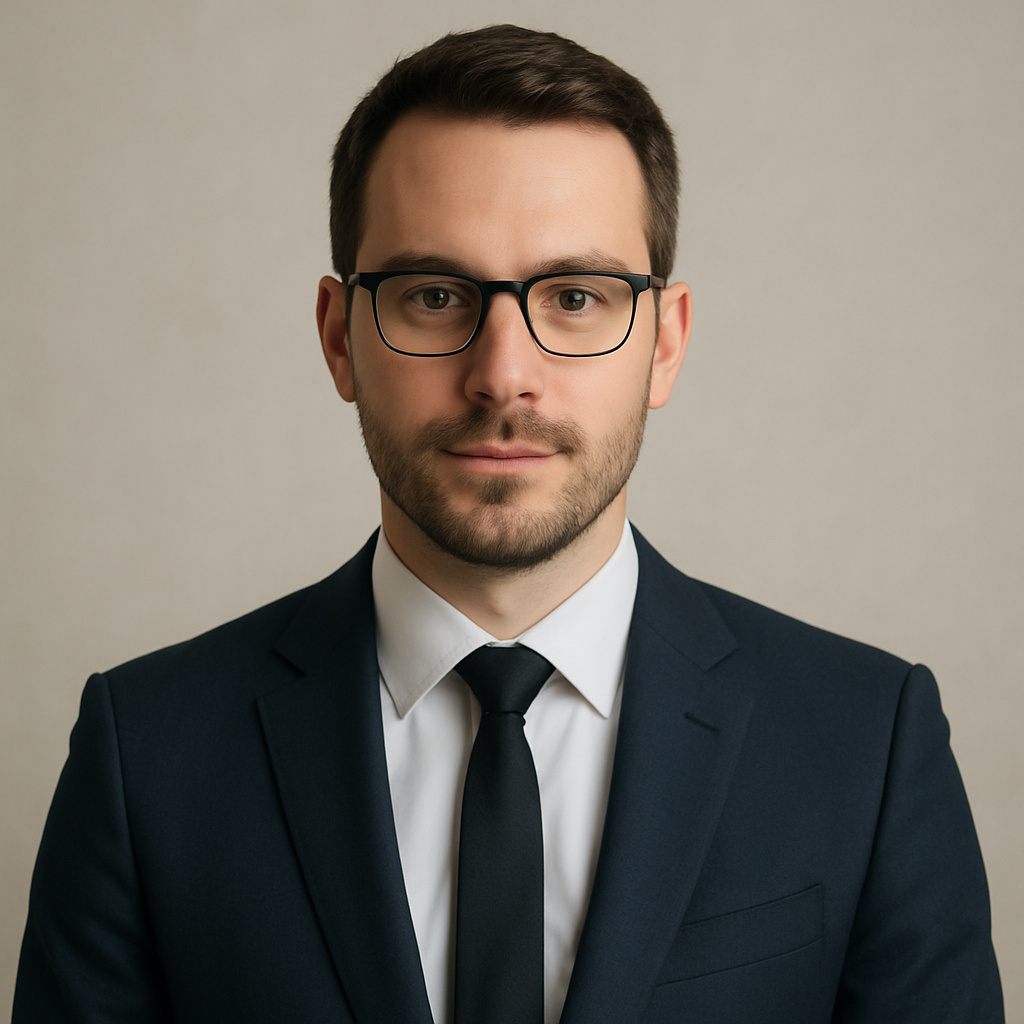
Quick answer: Describe your genre, mood, clothing, and setting in plain English on ATXP Pics, and you'll have a press-quality AI headshot in seconds. Pay a few cents per image — no subscription, no commitment, balance never expires.
What Makes a Musician or Artist Headshot Different
A musician's headshot isn't just a portrait — it's a first impression of your sound. A classical pianist needs something that reads elegant and composed. A DIY punk artist needs something raw and textured. A folk singer needs warmth and authenticity. Generic headshot advice ("look professional, clean background") doesn't apply here the way it does for a LinkedIn profile.
The visual language of your headshot signals your genre before anyone hears a single note. That means your prompt needs to carry that aesthetic weight. The good news: describing it in plain English is exactly how AI image generation works.
How to Write a Prompt That Captures Your Artistic Identity
Start with your genre and aesthetic, not just your appearance. Think of the prompt as a brief to a photographer — you wouldn't just say "take a photo of me." You'd say what vibe you're going for.
Build your prompt in four layers:
- Subject — who you are and how you present (e.g., "a mid-30s woman with short natural hair")
- Aesthetic / genre signal — the visual world your music lives in (e.g., "indie soul, vintage warmth, 70s record cover energy")
- Wardrobe and props — specific clothing details or instruments that reinforce your identity
- Setting and lighting — where the photo is taken and how it's lit
Layer 1: Subject
Be specific about appearance details you want represented — hair, expression, posture. Neutral or slight-smile expressions read as press-photo appropriate. Direct eye contact works well for close-up headshots.
Layer 2: Aesthetic and Genre Signal
This is the layer most people skip — and it's the one that separates a generic portrait from a press-ready image. Think about artists in your genre whose photos you admire. What do those photos have in common? Moody shadows? Warm golden hour? High contrast black and white?
Layer 3: Wardrobe and Props
Mention what you're wearing. A leather jacket reads differently than a linen shirt. An acoustic guitar in the frame adds context. Even small details — a ring, a hat, a particular collar — shift the visual story.
Layer 4: Setting and Lighting
Outdoor urban alley, brick wall, recording studio, concert venue backstage, open field at dusk — each setting signals something different. Pair the setting with a lighting description: soft natural light, neon side-lighting, warm studio lamp, overcast diffused light.
Real Prompt Examples by Genre
Copy and adapt these to your own look and style.
Indie folk musician: "Headshot of a late-20s man with curly auburn hair and a short beard, wearing a worn flannel shirt, holding a weathered acoustic guitar. Warm golden-hour light, standing in front of a wooden barn exterior. Soft bokeh background, relaxed slight smile, direct eye contact. Film photography aesthetic, slightly desaturated warm tones."
Hip-hop artist: "Close-up headshot of a young Black woman with box braids, wearing an oversized white tee and gold chain necklace. Sharp, high-contrast lighting from the left. Urban rooftop background at dusk, city lights soft and blurred behind her. Confident direct gaze, no smile. Editorial magazine quality, vivid color grading."
Classical pianist: "Formal headshot of a mid-40s Asian man in a fitted black turtleneck, seated at a grand piano (piano partially visible at frame edge). Soft, diffused studio lighting with a dark neutral background. Composed and serene expression. High-end concert program photo quality, clean and elegant."
Common Mistakes to Avoid
The most common mistake is prompting for "professional headshot" and nothing else. That gives you a corporate LinkedIn portrait — fine for a consultant, wrong for a musician. Here's what to watch for:
- Too vague on aesthetic: "musician headshot" produces generic results. "Indie soul artist, 70s record cover warmth" produces something usable.
- Forgetting the background: Backgrounds carry enormous visual weight. An unspecified background defaults to something neutral, which may not match your genre at all.
- Over-specifying facial features: The more granular you get about very specific facial geometry, the less predictable results become. Focus on hair, expression, and styling rather than precise bone structure.
- Skipping lighting: Lighting is what separates a polished press photo from a casual snapshot. Always include a lighting description, even a simple one.
How the Cost Compares to a Photographer Session
Most independent musicians pay between $150 and $500 for a single headshot session. That's before you factor in travel, outfit prep, or the time cost of scheduling.
| Option | Typical Cost | Commitment | |---|---|---| | Professional photographer | $150–$500/session | Scheduling required, limited retakes | | Midjourney subscription | ~$0.07/image* | $10/month charged every month | | ATXP Pics | A few cents/image | No subscription, no expiry, pay as you go |
*Midjourney's cost-per-image assumes you're generating 150 images per month. At 20 images/month, you're paying $0.50 per image. At 5 images/month, it's $2.00 each — more than most photographer sessions if you scale it out.
For a musician who needs a new press photo every few months, pay-per-image is the only model that makes financial sense. You're not running a content studio — you need a great image when you need it, not a monthly bill for months you're on tour or in the studio.
What to Do With Your AI Headshot
Once you have an image you're happy with, it's immediately usable for:
- EPK (Electronic Press Kit) — the primary image venues and bookers see first
- Spotify for Artists / Apple Music profile photo
- Social media profile images across Instagram, Facebook, TikTok, X
- Press releases and event listings
- Website artist bio page
- Streaming platform editorial submissions
Save multiple prompt variations so you have options — a warmer lifestyle shot for social, a tighter close-up for editorial, a full-frame image for website banners.
Getting Your First AI Headshot for Musician or Artist Use
The whole process takes less than five minutes:
- Go to ATXP Pics /headshot
- Describe your look using the four-layer prompt structure above
- Review the result — if it needs adjustment, refine one element at a time
- Download and use immediately
No account required to start. No subscription. No design software. Your balance never expires, so if you only need one image today and another in three months, you're only ever paying for what you actually use.
Your press photo shouldn't cost more than your recording session did. Create your AI headshot now →