Booking a studio, sourcing props, waiting on edits — traditional product photography is a significant investment for what often amounts to a handful of usable shots. This post breaks down the real AI product photography alternatives available today: what each one costs, who each one is for, and when it makes sense to skip the studio entirely.
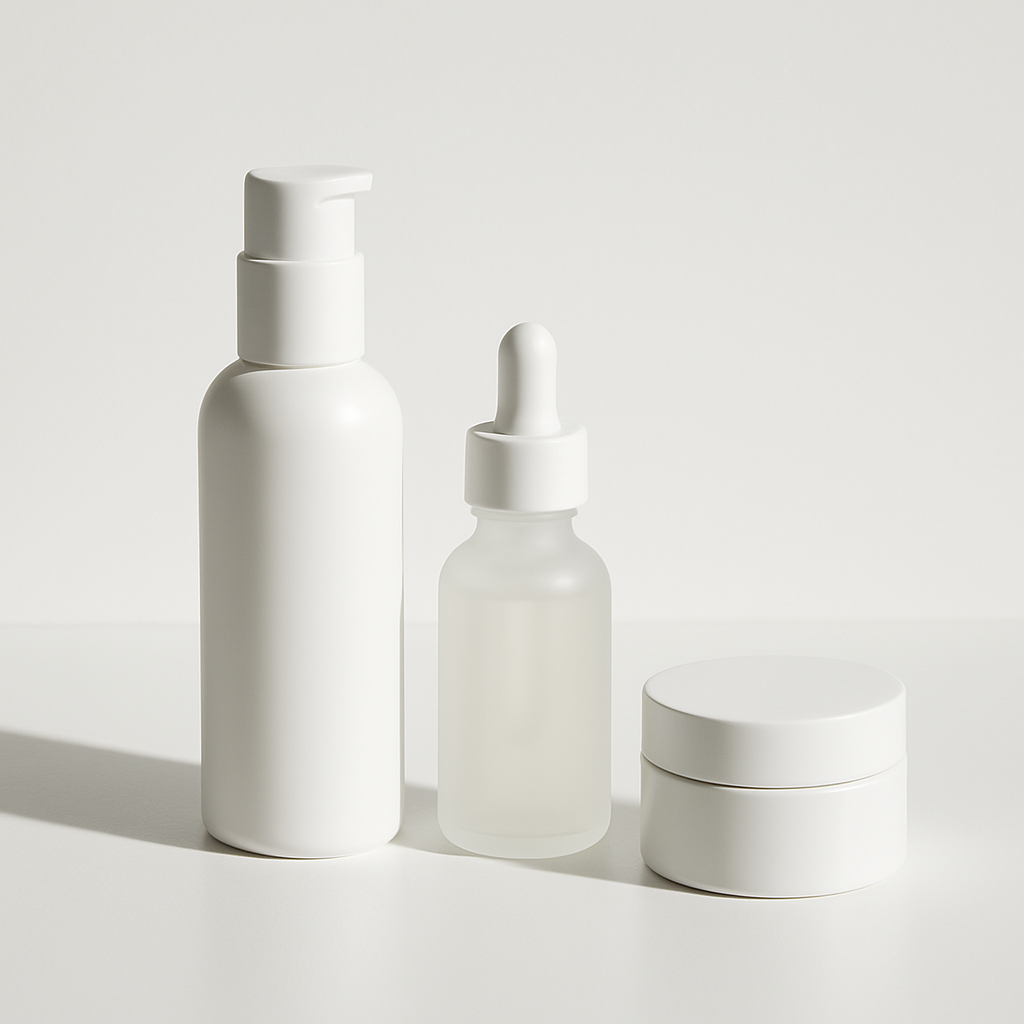
Quick answer: AI product photography tools can produce studio-quality images for a few cents per image with no studio booking, no photographer, and no wait time. For small businesses, solo sellers, and anyone who needs occasional product visuals, the math strongly favors AI. The key is choosing a tool that matches how often you actually create.
What "AI Product Photography" Actually Means
AI product photography means generating a finished product image from a text description — no physical shoot required. You describe the product, the setting, the lighting, and the mood. The tool produces a polished image ready for ads, listings, or social media.
This is different from AI photo editing, which enhances an existing photo. AI product mockup generation creates the image from scratch — or composites your product into a realistic scene without a physical setup.
Common use cases include:
- E-commerce listing images
- Social media ad creatives
- Concept mockups for pitching or prototyping
- Seasonal or themed campaign visuals
- Lifestyle scenes without renting a location
How the Costs Actually Compare
The real cost difference between a studio shoot and an AI alternative isn't subtle — it's an order of magnitude.
Here's what the numbers look like when you lay them out:
| Method | Cost per session / month | Usable images | Cost per image | |---|---|---|---| | Professional studio shoot | $500–$1,500 | 10–30 | $17–$150 | | Freelance product photographer | $200–$600 | 10–20 | $20–$60 | | Midjourney Basic (subscription) | $10/month | ~150 | $0.07–$2.00* | | Adobe Firefly (subscription) | $9.99/month | Limited credits | $0.10–$0.50 | | ATXP Pics (pay-per-image) | No subscription | Unlimited | A few cents each |
*Midjourney's per-image cost balloons fast. At 20 images per month you're paying $0.50/image. At 5 images per month — common for small sellers — you're paying $2.00 per image for a subscription you're barely using.
The ATXP Pics model is different: you pay for exactly what you create, your balance never expires, and there's no monthly charge on months you don't generate anything. For anyone who doesn't need hundreds of images every month, that's a meaningful difference.
Who Each Option Is Actually For
The right AI product photography alternative depends on your volume, not just your budget.
Best for occasional sellers and small businesses
ATXP Pics. No subscription, no commitment. You put in a balance and use it when you need it. If you're running a small Etsy shop, launching a new product line, or building an ad creative for a one-time campaign, paying a monthly subscription for a tool you'll use twice doesn't make sense.
Best for agencies and daily creators
Midjourney or Adobe Firefly. If your team is generating images every day across multiple clients, a subscription becomes efficient. The per-image cost drops and the workflow integrates with existing creative pipelines.
Best for e-commerce brands scaling fast
A hybrid approach: AI for concept visuals, social content, and variations; professional photography for hero shots and catalog requirements that demand physical texture accuracy.
How to Write a Product Mockup Prompt That Actually Works
The difference between a generic-looking AI image and a polished product visual is almost always the prompt. Specificity is everything — describe the product, the environment, the lighting, and the intended use.
Here's a structure that works:
[Product name and key visual detail], placed on [surface], in [setting], with [lighting style], photographed from [angle], [mood or style descriptor].
A real example:
"Matte black skincare serum bottle with a gold dropper cap, placed on a marble surface, surrounded by dried botanicals, soft natural window light from the left, shot from a 45-degree angle, clean and minimal editorial style."
And a second example for a different product category:
"Kraft paper coffee bag with a white label, standing upright on a wooden café counter, warm ambient lighting, steam rising gently in the background, shallow depth of field, lifestyle shot."
The more visual information you give, the closer the output lands to what you're picturing. Generate your first product mockup →
What AI Product Photography Still Can't Do
Being honest: there are situations where AI isn't the right call yet.
- Physical texture verification — If a buyer needs to see exactly how a fabric drapes or how a leather grain catches light, a real product in real light is more accurate.
- Multi-angle consistency — Generating the exact same product from 12 different angles with pixel-perfect consistency is still difficult. AI excels at individual hero shots, not full 360° catalog sets.
- Highly regulated categories — Some product categories (medical devices, certain food products) have compliance requirements around imagery that make AI-generated visuals legally complicated.
For everything else — social ads, concept visuals, seasonal variations, lifestyle scenes, and e-commerce listing images — AI is fast, affordable, and increasingly indistinguishable from studio work.
The Honest Verdict
For the majority of small businesses, solo sellers, and marketing teams who need great product visuals without a studio budget, an AI product photography alternative is the practical choice. The quality is there. The cost is a fraction of a shoot. The turnaround is minutes, not days.
The only real question is which tool fits your actual usage pattern. If you create images regularly, a subscription tool might pay off. If you create occasionally — or want to try AI product photography before committing — pay-per-image is the smarter entry point.
No subscription. No monthly charge when you're not creating. Just describe what you want and get a finished image.