The AI image generation landscape looks noticeably different than it did even 18 months ago. If you haven't revisited which tool you use — or whether your current pricing model still makes sense — this post breaks down what's actually changed, what the tradeoffs are between today's leading options, and who each approach is right for.
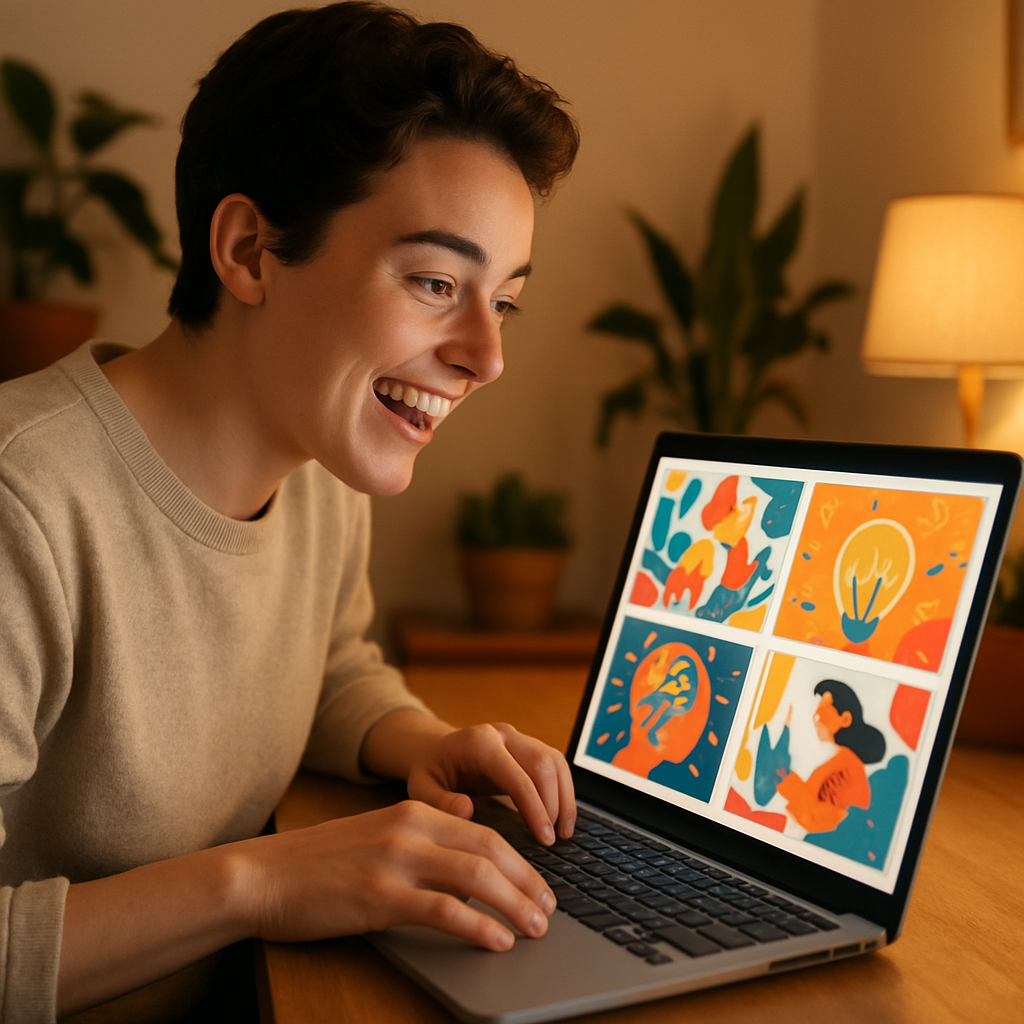
Quick answer: AI image generation in 2026 is faster, more accurate, and more accessible than ever. The most significant practical changes are reliable text rendering, consistent faces, and a real market shift toward pay-per-image pricing. If you create images occasionally, a subscription is now a harder number to justify than it was two years ago.
What's Actually Improved in AI Image Generation by 2026
The three biggest real-world improvements aren't about style — they're about reliability. For most of 2024, AI image generators had three frustrating failure modes: garbled text inside images, distorted hands, and faces that looked different every time you generated. All three have been largely resolved in leading tools.
Here's where things stand:
- Text in images — Product labels, signs, logos with words: now accurate in most tools on the first try
- Hands and fingers — Still occasionally imperfect, but the horror-show outputs of 2023–2024 are rare
- Face consistency — Generating the same person across multiple images, or maintaining a character across a scene, works reliably with the right prompt
- Prompt following — Complex scenes with multiple specific elements now match the description much more closely
What hasn't changed dramatically: raw stylistic quality has improved incrementally, but the gap between today's outputs and 2024 outputs is smaller than the gap between 2022 and 2024. The big wins are correctness and reliability, not aesthetics.
How the Pricing Model Has Shifted
The subscription-vs-pay-per-image debate has tilted sharply toward pay-per-image for most users. In 2024, subscriptions felt like the default because they were the only serious option at most platforms. That's no longer true.
Here's the math that matters in 2026:
| Usage level | Midjourney Basic ($10/mo) | ATXP Pics (pay-per-image) | |---|---|---| | 5 images/month | $2.00 per image | ~$0.05–0.10 per image | | 20 images/month | $0.50 per image | ~$0.05–0.10 per image | | 150 images/month | ~$0.07 per image | ~$0.05–0.10 per image | | Month you don't create | $10.00 wasted | $0.00 |
The crossover point — where a subscription starts making economic sense — is roughly 100–150 images per month, every month, with no gaps. Most individuals, small business owners, and occasional creators don't hit that threshold consistently.
The other shift: pay-per-image tools now match or approach subscription tools on output quality. In 2024, there was a quality justification for paying more. In 2026, that justification is much weaker.
Which Tool Is Right for Which User
The honest answer is that there's no single best tool — there's a best fit based on how you actually create.
Heavy daily users (150+ images/month, every month)
A subscription still makes sense on pure cost. Midjourney's subscription tier at high volume brings per-image cost down to the $0.06–0.08 range, which is competitive. If you're a creative professional generating images daily, you know who you are.
Occasional and project-based creators
Pay-per-image is almost always the right call. This includes small business owners generating product mockups for a launch, marketers who need a batch of social images every few weeks, and individuals who want AI-generated images a few times a month. You pay for what you use, your balance doesn't expire, and you don't get charged during slow months.
First-time users and people testing AI images
No subscription tool is the clear answer here. Starting with a subscription to "try it out" means you're paying $10 before you've confirmed you'll use it. With a pay-per-image tool like ATXP Pics, you can generate your first image without a monthly commitment.
A Real Prompt — Then vs. Now
One of the most meaningful quality improvements in 2026 is how much simpler prompts can be while still getting a great result. Here's an example of the same creative intent, showing how prompting has changed:
2024-era prompt (over-engineered): "Professional product photography, a matte black coffee mug on a light oak wood surface, soft natural window light from left, shallow depth of field, Canon 5D aesthetic, 4K, hyperrealistic, commercial photography style, no shadows on right side"
2026 prompt (plain English): "A matte black coffee mug on a light oak table, soft natural light from the left, clean product photo style"
The second prompt produces a comparable — often better — result today because the underlying model follows plain English descriptions more accurately. You no longer need to front-load technical camera specs and quality keywords to get a sharp, usable image.
Generate an image with plain English →
What's Still a Work in Progress
No tool gets everything right, and honesty about limitations matters more than hype. A few things still require realistic expectations in 2026:
- Highly specific real-world accuracy — If you need a product to look exactly like a specific SKU, or architectural details to match a real building, AI generation is still a starting point, not a final output
- Multi-image consistency at scale — Consistent characters across 20+ images in a row still benefits from careful prompting
- Truly novel aesthetic directions — If your vision is highly specific and unusual, you may need several rounds to get there
None of these are blockers for most use cases. They're just the honest edge cases where a human designer or photographer is still the better call.
The Bottom Line: Future of AI Image Generation in 2026
The future of AI image generation in 2026 isn't one dramatic leap — it's the accumulation of reliability improvements that make the tools genuinely useful for everyday tasks. Text works. Hands work. Plain English prompts work. And the pricing model has evolved to match how most people actually use these tools: occasionally, in bursts, not on a monthly subscription treadmill.
If you're generating fewer than 100 images a month — or even if you're just not sure yet — pay-per-image is the rational default. No subscription to cancel, no monthly charge during slow months, no commitment before you've seen what the tool can do.